Model dossier · Classic

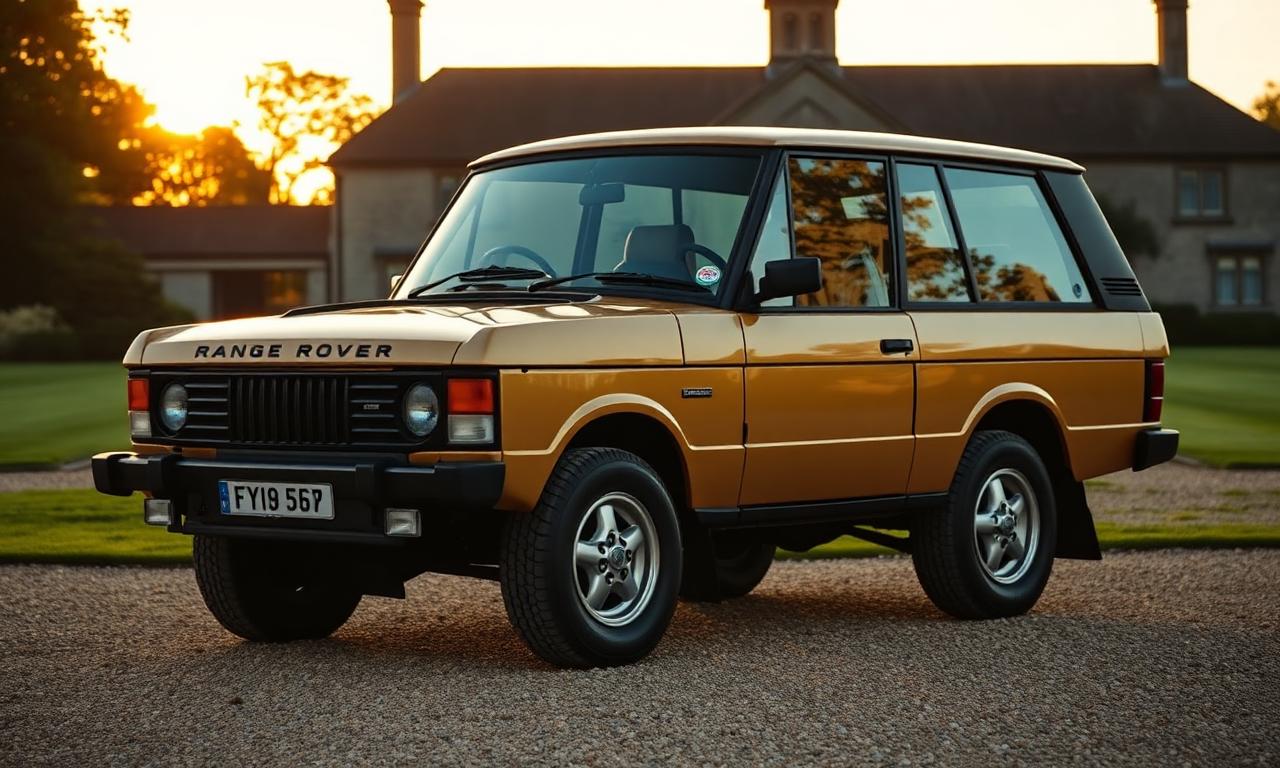
Range Rover Classic

1970 – 1996

The original. The one that invented the luxury 4×4.

Range Rover Range Rover Classic (1970 – 1996)
Range Rover Classic · 1970 – 1996

Overview

Classic at a glance

Key facts

Body styles
2-door, 4-door, LSE (LWB)
Units built
≈ 317,000
Collector picks
Early 2-door, LSE softdash, 300 Tdi
Values (2025)
$18k – $120k+

Common symptoms

  • Cracked V8 block / slipped liners

    3.9/4.0/4.6 blocks are the classic failure — top-hat liner rebuild is the permanent fix.

  • Chassis rot

    Rear crossmember, rear arches, boot floor. Inspect before you buy.

  • Air suspension (LSE)

    Perished bags and dead compressor — many owners convert to coil.

  • Fuel-injection hot-start

    14CUX ECU cars: check ignition amp, coolant temp sensor, and airflow meter.

Resources

Issues, parts, and manuals currently focus on the L405. Classic-specific archives are being compiled — check back soon.

Issues

Common problems & troubleshooting

The failures owners of the Classic actually see, with the symptoms to look for and the steps to work through them. Reference only — complex repairs should go to a specialist.

01

Slipped cylinder liners (3.9 / 4.0 / 4.6 V8)

Symptoms
Coolant loss with no visible leak, mayonnaise under oil cap, overheating under load, misfire on a cold engine.
Likely causes
The aluminium block's cast-iron liners walk downward, breaking the head-gasket seal at the fire-ring.

Troubleshooting steps

  1. 1.Pressure-test the cooling system cold and hot; watch for pressure that won't hold.
  2. 2.Do a block-tester (combustion-gas-in-coolant) chemical test — the definitive check.
  3. 3.Compression + leak-down test each cylinder to isolate which liner has moved.
  4. 4.Fix permanently with a top-hat liner rebuild; a plain head-gasket swap will fail again.
02

Chassis & rear crossmember rot

Symptoms
Flaking underseal, holes around the rear crossmember, spongy footwells, MOT/inspection failure.
Likely causes
Trapped mud, blocked drain holes, and 30+ years of road salt.

Troubleshooting steps

  1. 1.Steam-clean the chassis and inspect the rear crossmember, boot floor, and inner arches.
  2. 2.Probe suspect areas with a screwdriver — sound metal will not give way.
  3. 3.Small pinholes: cut back, weld in fresh plate, seam-seal, and cavity-wax.
  4. 4.Widespread rot: fit a galvanised replacement rear crossmember (Richards or equivalent).
03

LSE air suspension collapse

Symptoms
Car sitting on the bump-stops overnight, compressor runs continuously, ride-height fault light.
Likely causes
Perished air bags, tired compressor, or a leaking valve block on 1992–1995 LSE cars.

Troubleshooting steps

  1. 1.Spray soapy water on each bag and listen for leaks with the car raised.
  2. 2.Confirm compressor output with a pressure gauge; if weak, rebuild or replace.
  3. 3.Replace all four bags together — mixing old and new causes level faults.
  4. 4.If parts are unobtainable, a coil-conversion kit is a common permanent fix.
04

Hot-start / warm-restart failure (14CUX EFi)

Symptoms
Car starts cold, refuses to restart hot for 10–20 minutes, then fires normally.
Likely causes
Heat-soaked airflow meter, failing coolant temperature sensor, or a dying ignition amplifier.

Troubleshooting steps

  1. 1.Read fault codes with a Lucas 14CUX reader; note any sensor faults.
  2. 2.Test the coolant temperature sensor resistance cold vs hot against spec.
  3. 3.Swap in a known-good airflow meter and re-test hot restart.
  4. 4.If still failing, replace the ignition amplifier on the coil bracket.

Need a specialist?

Alfa Auto Care — Woodside, Queens NY

Land Rover diagnostics & repair for classic and modern Range Rovers.

Shop details →

History

The story

Designed by Spen King and clothed by David Bache, the Classic set the template every Range Rover since has iterated on. Two doors at launch, four from 1981, and a permanent 4WD system that redefined what a utility vehicle could be.

Launched in June 1970 as a purposeful, utilitarian 4×4 — hosed-out interior, vinyl seats, and a 3.5-litre Rover V8. Its later ascent into luxury was almost accidental.

The four-door arrived in 1981; the Vogue trim in 1984. By the late 1980s, the Classic had migrated from farmyards to Sloane Square, becoming the definitive dual-purpose luxury vehicle.

Production continued alongside the P38A for two years until 1996. Early two-doors and late LSE/County softdash cars are the most sought-after by collectors today.

At a glance

Specifications

Production
1970 – 1996
Architecture
Body-on-frame, box-section chassis
Length (SWB)
4,470 mm
Length (LSE)
4,720 mm
Suspension
Coil springs; live axles front & rear
Notable feature
First 4×4 with permanent AWD

Powertrains

Engine family

3.5 Rover V8

1970 – 1990

132 – 165 hp

Aluminium ex-Buick block. Cylinder liner slippage and cracked blocks on later 4.0/4.6 derivatives are the known failure.

3.9 V8 EFi

1989 – 1995

182 hp

Fuel-injected update. Watch for hot-start issues and heat-soaked airflow meters.

4.2 V8 (LSE)

1992 – 1995

200 hp

Long-wheelbase flagship. Same liner concerns as the 3.9.

2.5 VM / 300 Tdi diesel

1986 – 1996

119 – 111 hp

300 Tdi is the enthusiast's choice — simple, torquey, and rebuildable indefinitely.

Timeline

Year by year

  1. 1970

    Range Rover launches — two doors, Rover V8, coil suspension.

  2. 1981

    Four-door body introduced.

  3. 1984

    Vogue trim brings wood, leather, and air-conditioning.

  4. 1989

    3.9 EFi replaces the carburetted V8.

  5. 1992

    LSE (Long Wheel Base) with 4.2 V8 and air suspension.

  6. 1996

    Final Classic — 'Autobiography' and 'County' run-out editions.